Yellow Grease Pickup & Recycling — Sealed, Tracked, Compliant
Secure yellow grease collection with sealed container systems, GPS-tracked routes, and full CDFA documentation. Theft prevention, environmental compliance, and proper recycling for every gallon your kitchen produces.
Yellow Grease Pickup & Recycling — Sealed, Tracked, Compliant
Secure yellow grease collection with sealed container systems, GPS-tracked routes, and full CDFA documentation. Theft prevention, environmental compliance, and proper recycling for every gallon your kitchen produces.
Yellow grease recycling converts used frying oil into renewable fuel feedstock through a regulated collection process. Licensed haulers use sealed containers with anti-theft locks, GPS-tracked vehicles, and CDFA-compliant manifests to ensure every gallon is documented from kitchen pickup through delivery to a licensed rendering facility for environmentally responsible processing.
Yellow Grease Theft and Improper Disposal Undermine Environmental Compliance
Yellow grease — the rendered form of used cooking oil — is one of the most stolen food byproducts in California. Unlicensed collectors operate unmarked vehicles, target unprotected containers at night, and siphon oil without documentation or environmental accountability. According to the California Department of Food and Agriculture, grease theft costs legitimate recycling operations millions annually while creating serious environmental hazards. Stolen grease often ends up in unlicensed processing facilities that lack proper containment, leading to soil contamination, storm drain pollution, and untracked waste streams that regulators cannot monitor.
Beyond theft, many high-volume operations struggle with the documentation burden that California imposes on yellow grease generators. Every pickup requires a Title 3 manifest with specific fields — volume, transporter license number, vehicle identification, destination facility, and date. Operations running six or more fryers across multiple shifts produce hundreds of gallons weekly, and a single missed manifest or an unverified hauler can trigger regulatory scrutiny during a CDFA inspection. The environmental stakes are equally high: improperly disposed yellow grease contaminates waterways, damages wastewater treatment infrastructure, and generates methane when it reaches landfills instead of renewable fuel facilities.
The solution is a collection system built around sealed containers, real-time GPS tracking, and automated compliance documentation. When every gallon is locked in a tamper-evident container, tracked from kitchen to rendering facility, and documented with a digital manifest, theft becomes nearly impossible and environmental compliance becomes automatic rather than burdensome. Operations that invest in proper yellow grease recycling infrastructure protect themselves from regulatory penalties while ensuring their waste stream contributes to renewable fuel production rather than environmental degradation.
100%
sealed containers
GPS
real-time tracking
Zero
theft incidents
Sealed Container Systems That Eliminate Theft
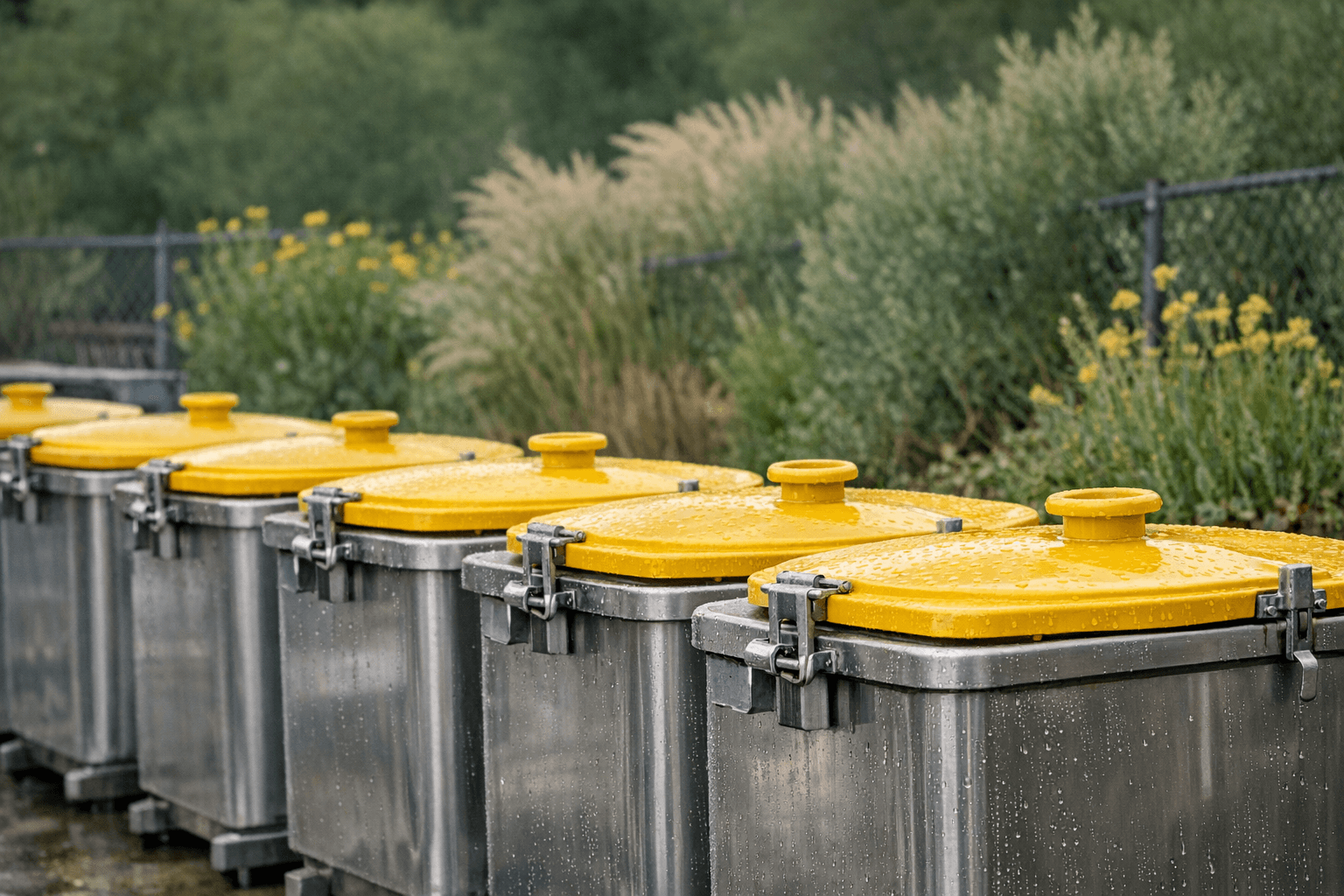
Yellow grease theft is not a minor nuisance — it is a documented, statewide problem that the California Department of Food and Agriculture actively tracks through its Inedible Kitchen Grease enforcement program. Our sealed container systems are purpose-built to make unauthorized access physically impossible. Each container features a reinforced steel body, a tamper-evident locking mechanism that only our drivers and your designated staff can operate, and anti-siphon baffles that prevent extraction through the fill port. The locking system does not interfere with your kitchen staff pouring oil or with our pump equipment during scheduled pickups. For operations in high-theft zones — industrial parks, shared commercial lots, late-night restaurant corridors — we deploy containers with hardened steel brackets that bolt to concrete pads, making it impractical to remove the entire unit. Every container is serialized and registered with our fleet management system so that any unauthorized movement triggers an immediate alert.
- Reinforced steel containers with tamper-evident locking mechanisms
- Anti-siphon baffles prevent extraction through the fill port
- Hardened steel brackets bolt to concrete for immovable installation
- Serialized containers registered in fleet management system
- Immediate alert if unauthorized movement is detected
GPS-Tracked Collection Routes With Full Visibility
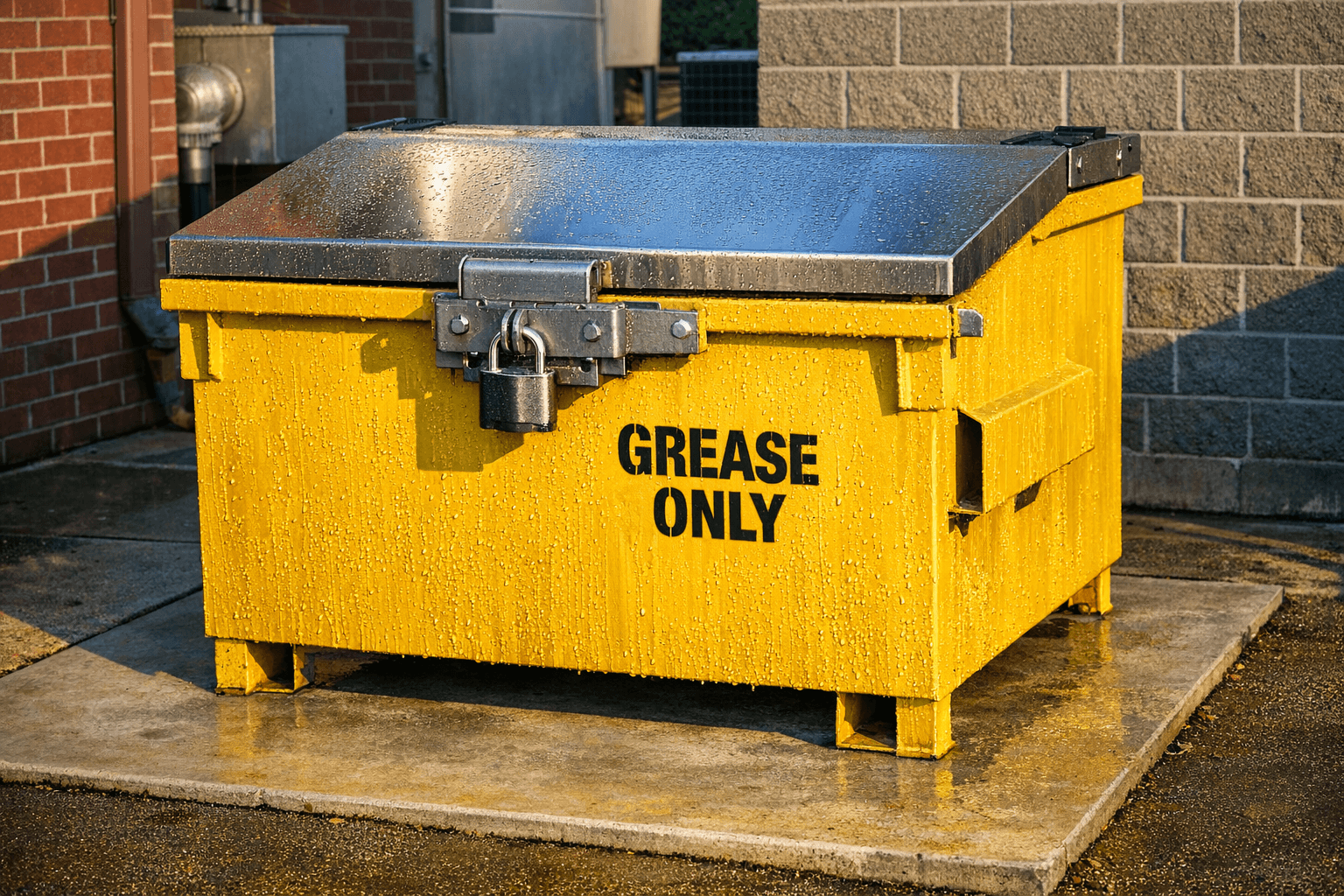
Every vehicle in our fleet is equipped with GPS tracking that provides real-time visibility into route progress, estimated arrival times, and proof of service. You can see exactly where your pickup driver is, when the truck arrived at your location, how long the service took, and when the driver departed — all from your online dashboard. This level of transparency eliminates the guesswork that plagues operations relying on unmonitored haulers who may or may not show up on schedule. GPS data is also permanently linked to each manifest, creating an unbroken chain of custody from your kitchen to the licensed rendering facility. If a regulator or auditor ever questions the disposition of your yellow grease, the GPS record paired with the digital manifest provides irrefutable documentation of every step in the collection process.
- Real-time GPS tracking on every collection vehicle
- Arrival time, service duration, and departure logged automatically
- GPS data permanently linked to each digital manifest
- Online dashboard shows route progress and estimated arrival
- Unbroken chain of custody from kitchen to rendering facility
Volume Tracking and Automated Documentation
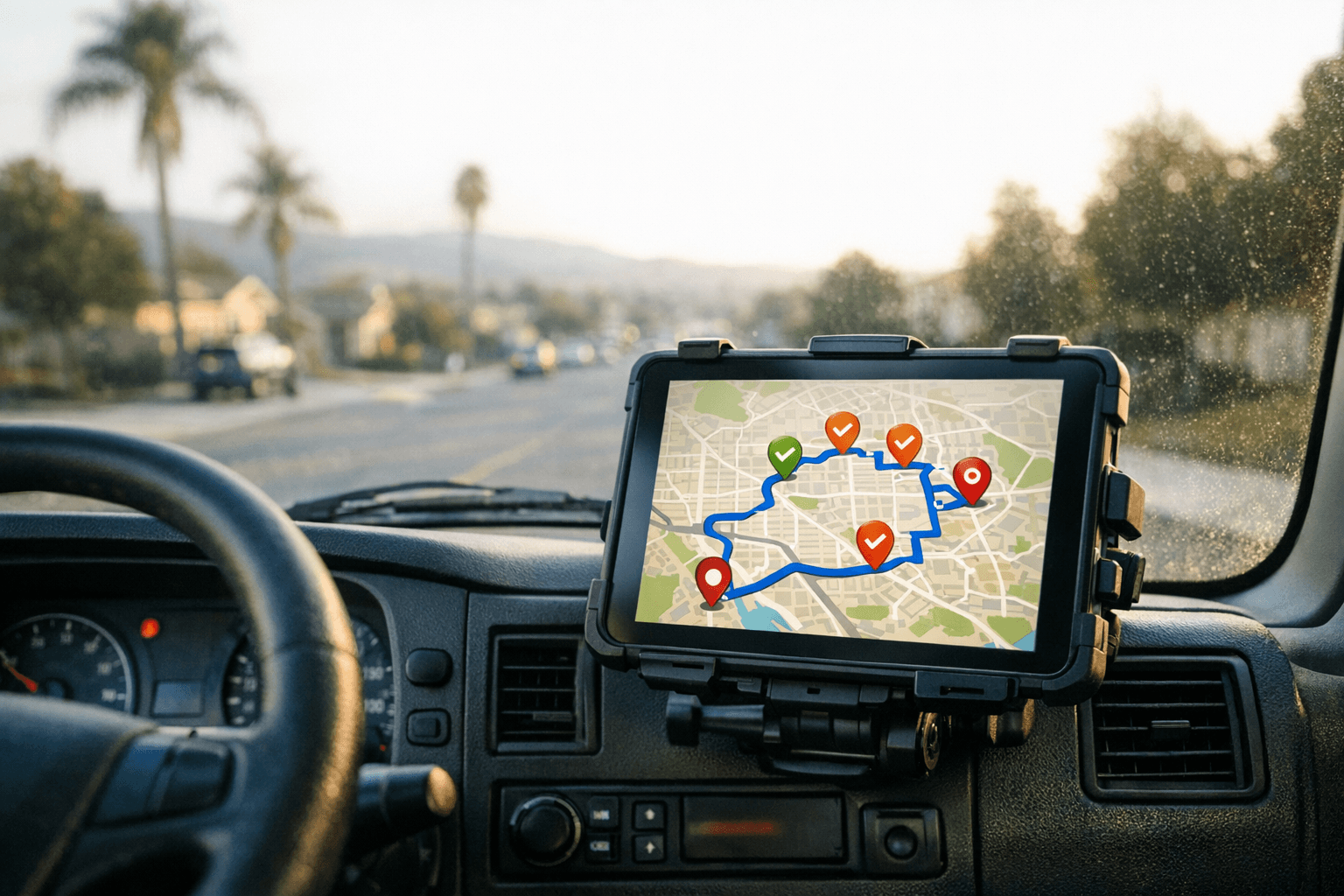
California Code of Regulations Title 3 Section 1180.24 requires detailed documentation for every yellow grease transaction, including the volume collected, transporter license credentials, vehicle identification, and destination facility. Our system automates this entire process. When a driver connects the pump line to your container, the onboard meter records the exact volume transferred. The manifest is generated digitally with every required field pre-populated from your account profile and the driver credentials on file. You receive an email confirmation within minutes of the pickup completing, and the manifest is immediately available in your compliance dashboard. Volume data accumulates over time, giving you trend reports that show seasonal patterns, help you right-size your container, and provide the documentation your operations team needs for internal reporting and regulatory inspections.
- Onboard metering records exact volume on every pickup
- Digital manifests auto-populated with all CDFA-required fields
- Email confirmation sent within minutes of each collection
- Volume trend reports for seasonal analysis and container sizing
- Seven-year digital record retention exceeding CDFA minimums
Environmental Compliance and Proper Recycling Process
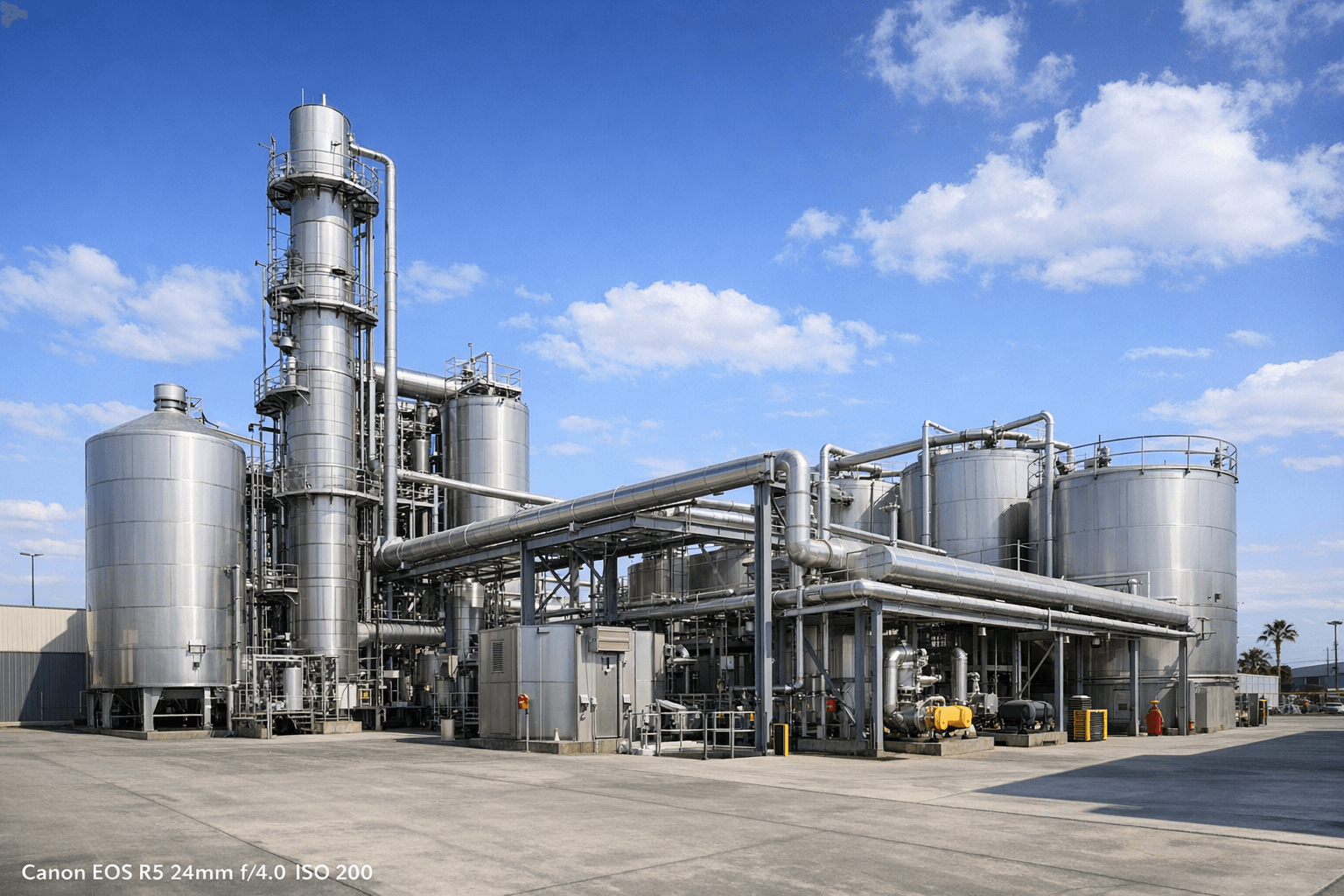
When yellow grease enters a regulated recycling pathway, it undergoes a controlled process at a licensed rendering facility where contaminants are removed, moisture content is reduced, and the resulting feedstock meets quality standards for renewable fuel production. This is the environmentally responsible outcome that California regulations are designed to ensure. Every gallon we collect follows an EPA-approved pathway under the Renewable Fuel Standard, meaning it contributes to verified carbon reduction rather than landfill methane emissions. Our environmental compliance program goes beyond minimum requirements. We verify that every destination facility holds current CDFA rendering licenses, maintain chain of custody documentation that tracks each load from pickup through processing, and provide quarterly environmental impact summaries that quantify the carbon offset your operation contributed to through proper recycling. For operations subject to environmental audits or sustainability reporting, these records integrate directly into your compliance documentation.
- Every gallon delivered to a licensed, CDFA-verified rendering facility
- EPA Renewable Fuel Standard approved recycling pathways
- Full chain of custody from pickup through final processing
- Quarterly environmental impact summaries with carbon offset data
- Zero landfill disposal — every gallon enters the renewable fuel supply chain
Who This Is For
High-Volume Fryers
Fried chicken chains, fish and chips restaurants, and operations running six or more fryers that produce hundreds of gallons of yellow grease weekly and need secure, documented collection.
Industrial Food Production
Tortilla manufacturers, snack food plants, and frozen food co-packers with continuous fryer lines generating thousands of gallons per week that require bulk collection and compliance documentation.
Large-Scale Catering
Catering companies and event kitchens producing high volumes during peak periods that need flexible scheduling and sealed containers to prevent theft at temporary staging locations.
Food Manufacturing
Food processing facilities subject to HACCP, SQF, and ISO 14001 audits that require chain of custody documentation for every gallon of yellow grease leaving the facility.
Theme Park Kitchens
Multi-outlet food service operations within theme parks and entertainment venues producing high daily volumes across dozens of kitchen locations within a single property.
Stadium Concessions
Arena and stadium food operations with massive surge volumes during events that require pre-event container staging, post-event rapid collection, and zero-theft security between uses.
Us vs. Unregulated Collectors
Unregulated Collectors
Our Yellow Grease Program
What's Included
Everything you need — nothing you don't.
- Sealed, anti-theft collection container sized to your volume
- Tamper-evident locking mechanism with anti-siphon baffles
- GPS-tracked pickup on a consistent, reliable schedule
- Digital CDFA-compliant manifest generated every collection
- Online compliance dashboard with full pickup history
- Onboard metering for exact volume tracking on every visit
- Email and text confirmation after each collection
- Quarterly environmental impact summary with carbon offset data
- Seven-year digital record retention exceeding regulatory minimums
- Container replacement or upgrade at no charge
- Emergency overflow pickup within four hours
- No contracts, no setup fees, no equipment rental charges
How It Works
Three steps. Five minutes. Done.
Request a Quote
Fill out a 30-second form or call us. No credit card, no commitment.
We Show Up On Time
Our uniformed driver arrives in a branded truck within your scheduled window. Every time.
Stay Compliant Automatically
Get digital manifests, pickup confirmations, and compliance records — all in your dashboard.
Frequently Asked Questions
Yellow grease is the industry term for used cooking oil that has been collected from commercial fryers and rendered into a recyclable form. It typically has a free fatty acid content below 15 percent and a low moisture level, making it suitable as feedstock for biodiesel and renewable diesel production. Brown grease, by contrast, comes from grease trap interceptors and contains significantly higher levels of water, food solids, and contaminants that make it more difficult and expensive to process. Trap grease requires specialized handling and often goes to different processing facilities. The distinction matters because yellow grease commands a higher recycling value and follows a different regulatory pathway under California law. Our collection service handles yellow grease from fryers and cooking operations — if you also need grease trap cleaning, we offer that as a separate service with its own equipment and scheduling.
Our theft prevention approach uses multiple physical barriers rather than relying on a single lock. Each container is built with reinforced steel walls, a tamper-evident locking lid that shows visible evidence of forced entry attempts, and internal anti-siphon baffles that prevent thieves from inserting a pump hose through the fill port. For high-risk locations, we add hardened steel mounting brackets that bolt the container to a concrete pad, making it impossible to steal the entire unit. The fill port accepts oil from your kitchen staff using a standard pour spout but is designed so that a pump hose cannot achieve suction through the opening. The California Department of Food and Agriculture maintains an Inedible Kitchen Grease registry at apps1.cdfa.ca.gov/IKG/ where you can verify that your hauler is properly licensed — an important step in confirming that the people collecting your grease are legitimate operators, not theft rings posing as haulers.
California Code of Regulations Title 3 Section 1180.24 requires a written manifest for every yellow grease pickup that includes the date and time of collection, the name and license number of the transporter, the vehicle identification number, the volume of grease collected, the origin address, and the destination rendering facility. Both the generator (your restaurant or facility) and the transporter must retain copies of each manifest. CDFA inspectors can request these records during routine audits or complaint investigations, and failure to produce them can result in fines and compliance orders. Our system generates these manifests digitally and automatically, ensuring every required field is populated correctly. You can access, filter, and download your complete manifest history from your online dashboard at any time, and we retain all records for seven years — well beyond the minimum retention period.
The California Department of Food and Agriculture maintains a public registry of licensed Inedible Kitchen Grease transporters at apps1.cdfa.ca.gov/IKG/. You can search this database by company name, license number, or county to verify that any hauler collecting your yellow grease holds a current, valid license. An unlicensed hauler collecting your grease puts your operation at risk — if the grease is stolen, improperly disposed of, or enters an unregulated processing stream, you could face regulatory questions about your waste management practices. The CDFA Rendering FAQ at cdfa.ca.gov/ahfss/MPES/Rendering/RenderingFAQ.html provides additional guidance on generator responsibilities and what to look for when evaluating a hauler. Every driver in our fleet carries a current CDFA transporter license, and you can verify our company license directly through the CDFA registry at any time.
After collection, your yellow grease is transported directly to a licensed rendering facility where it undergoes quality testing for free fatty acid content, moisture level, and contaminant presence. The rendering facility processes the grease by heating it to remove water, filtering out food solids and impurities, and producing a clean feedstock that meets specifications for renewable fuel production. This feedstock enters EPA-approved pathways under the Renewable Fuel Standard, where it is converted into biodiesel, renewable diesel, or sustainable aviation fuel. The entire process is documented and auditable. The EPA maintains a list of approved fuel pathways at epa.gov/renewable-fuel-standard/approved-pathways-renewable-fuel that details the specific conversion processes and environmental standards that each feedstock must meet. Your yellow grease, when properly collected and recycled, directly offsets petroleum-based fuel consumption and reduces net carbon emissions.
Pickup frequency depends on your daily oil consumption, fryer count, and container size. A restaurant running four to six fryers that changes oil every three to five days typically fills a 150-gallon container in one to two weeks and does well with weekly pickup. Operations running eight or more fryers, or those doing continuous frying like chicken restaurants and fish fry operations, may fill a 250-gallon container in under a week and need twice-weekly service. Industrial food processors with continuous fryer lines often require daily collection using tanker trucks. During your initial assessment, we calculate your estimated weekly yellow grease output based on fryer count, oil change frequency, and production schedule, then recommend a container size and pickup cadence that prevents overflow. If your volume changes seasonally — many operations see spikes during summer catering season and holiday periods — we adjust your schedule proactively rather than waiting for you to call about an overflowing container.
What Our Clients Say
“We run twelve fryers across two locations and were losing oil to theft almost every month. Since switching to sealed containers with the anti-siphon system, we have had zero incidents in over a year. The GPS tracking gives us complete visibility into every pickup.”

Marcus Chen
Director of Operations, Pacific Fried Chicken Co.
Garden Grove
“Our catering operation generates unpredictable volumes depending on the event calendar. The flexible scheduling and overflow emergency line mean we never have a container sitting full for more than a day, even during our busiest weeks.”

Sandra Velasquez
Facilities Manager, SoCal Event Catering
Anaheim
“The digital manifests and volume tracking have made our CDFA inspections completely painless. We pull up seven years of records in thirty seconds and the inspectors have everything they need without us digging through filing cabinets.”

David Park
Plant Manager, Golden Snack Foods
City of Industry
Related Solutions
Cooking Oil Recycling
Full-lifecycle recycling from fryer to biodiesel with carbon offset quantification and ESG reporting for sustainability-focused operations.
Learn moreRestaurant Grease Pickup
Scheduled grease collection for restaurants of all sizes with reliable service, digital manifests, and month-to-month flexibility.
Learn moreEquipment & Containers
Free commercial-grade collection containers with anti-theft protection, delivered, installed, and maintained at zero cost.
Learn moreLast updated April 10, 2026
Secure Your Yellow Grease Collection Today
Sealed containers, GPS tracking, full CDFA compliance. No contracts, no theft, no hassle. Get started in minutes.