A FOG violation can cost your restaurant anywhere from $500 to $25,000 or more, depending on the severity and your compliance history. For most California restaurant owners, the first time they learn about FOG regulations is when an inspector hands them a citation.
This guide explains exactly what FOG violations are, how much they cost, what triggers an inspection, and the specific documentation that protects your restaurant from fines.
What FOG Means and Why It Matters
FOG stands for Fats, Oils, and Grease. In regulatory terms, it refers to the byproducts of commercial cooking that enter the wastewater system through kitchen drains, dishwashers, and floor drains.
When FOG accumulates in sewer pipes, it solidifies and creates blockages. These blockages cause sanitary sewer overflows (SSOs), which are exactly what they sound like: raw sewage backing up and spilling onto streets, into waterways, or into neighboring properties.
SSOs are a public health and environmental hazard. California's wastewater authorities are under federal mandate through the Clean Water Act to prevent them. That mandate flows downhill directly to your restaurant.
The chain of liability:
- Your kitchen produces FOG as a natural byproduct of cooking
- FOG enters the sewer system through your drains
- If your grease interceptor is not properly maintained, excess FOG passes into the municipal sewer
- FOG accumulates and causes blockages in the sewer main
- Blockages cause sanitary sewer overflows
- Your restaurant is liable for the overflow and its consequences
This is why FOG compliance is enforced so aggressively in California. It is not bureaucratic overreach. It is a direct public health protection mechanism.
The Fine Structure
FOG violation penalties in California vary by municipality, but follow a consistent escalation pattern across most jurisdictions:
First Offense
Most municipalities issue a Notice of Violation (NOV) with a mandatory correction period, typically 30 days. Some jurisdictions issue a warning with no fine for the first offense. Others start with an administrative citation of $500 to $1,000.
The correction period requires you to demonstrate compliance by pumping your grease trap, providing documentation of the service, and often submitting a corrective action plan showing your future maintenance schedule.
Repeat Violations
If you receive a second violation within 12 to 24 months of your first, fines escalate:
| Violation | Typical Fine Range | Additional Consequences |
|---|---|---|
| Second offense | $1,000 – $2,500 | Mandatory increased cleaning frequency |
| Third offense | $2,500 – $5,000 | Required monitoring equipment installation |
| Chronic non-compliance | $5,000+ per incident | Business license review, possible cease and desist |
SSO-Related Violations
If a FOG-related sanitary sewer overflow is traced back to your property, the consequences escalate dramatically:
- Cost recovery charges for pipe cleaning and repair: $5,000 to $25,000+
- Environmental remediation costs if the overflow reaches a waterway
- Property damage liability if sewage backs up into neighboring businesses
- Federal Clean Water Act penalties in extreme cases: up to $25,000 per day
The 200-Foot Rule
Under current enforcement practices in several California municipalities, any FOG-related blockage within 200 feet of your sewer lateral triggers automatic investigation of your restaurant. If you cannot produce documented maintenance records showing compliant grease trap service and UCO pickup, you face presumptive liability for the blockage.
This is effectively strict liability. The burden of proof shifts to you to demonstrate that your restaurant was not the source of the FOG.
What Triggers an Inspection
FOG inspections in California are triggered by four mechanisms:
1. Routine Scheduling
Your restaurant is part of a regular inspection rotation. Frequency depends on your jurisdiction and risk classification. High-volume restaurants with large grease interceptors may be inspected every 6 months. Lower-risk establishments may be on an annual rotation.
2. Complaint-Based
Anyone can report a FOG issue to the local wastewater authority. Common complaints include:
- Grease odors from your property
- Visible grease in gutters or storm drains near your restaurant
- Reports of illegal dumping (pouring grease into storm drains, dumpsters, or vacant lots)
- Neighbor complaints about sewer backups
3. SSO Event
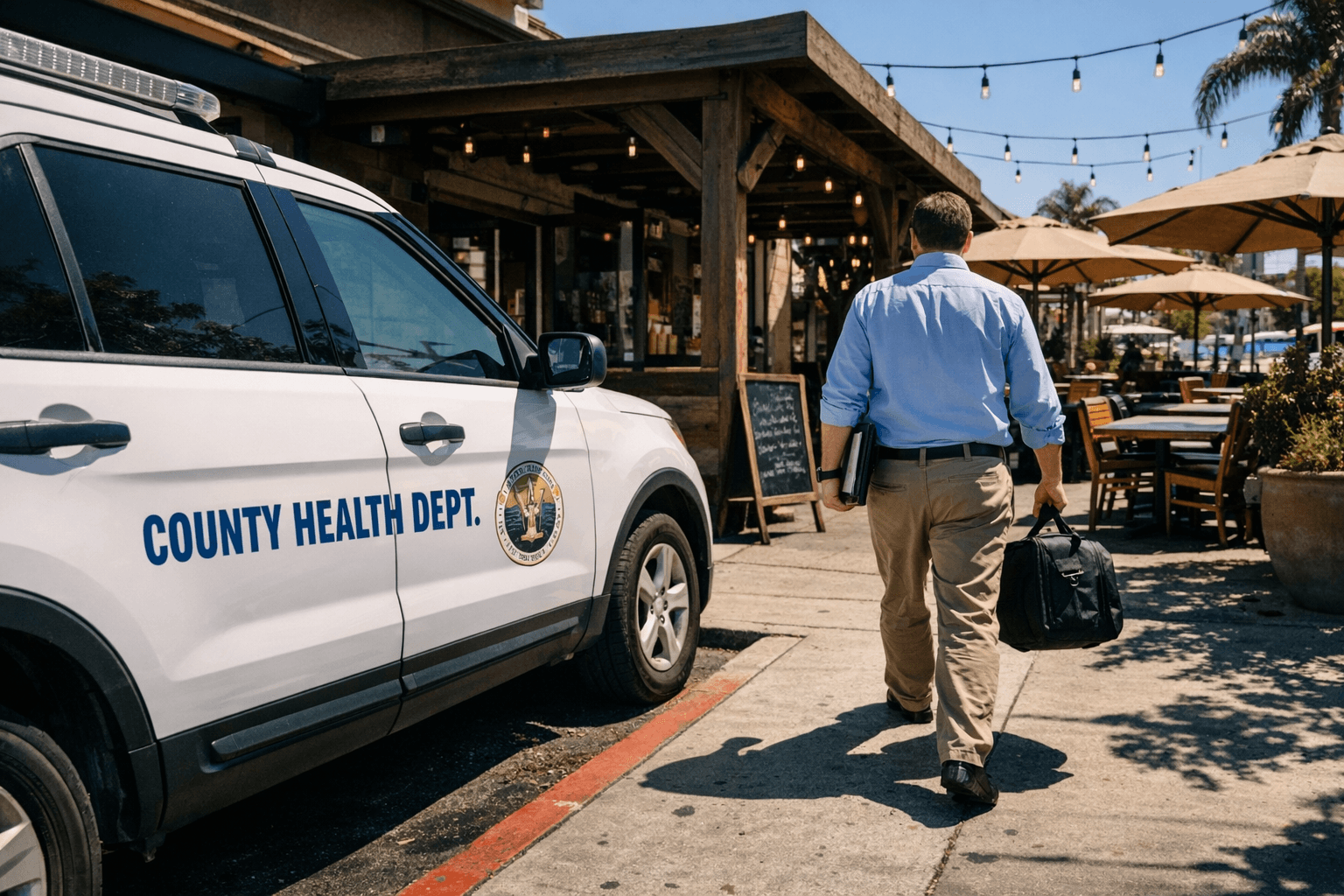
When a sanitary sewer overflow occurs, inspectors investigate all food service establishments in the affected area. If the overflow is in your neighborhood, expect a visit within days.
4. Follow-Up
If you received a previous violation, inspectors will return to verify correction. Follow-up inspections often happen just after the correction deadline expires.
What Inspectors Actually Check
When an inspector arrives at your restaurant, they evaluate several things:
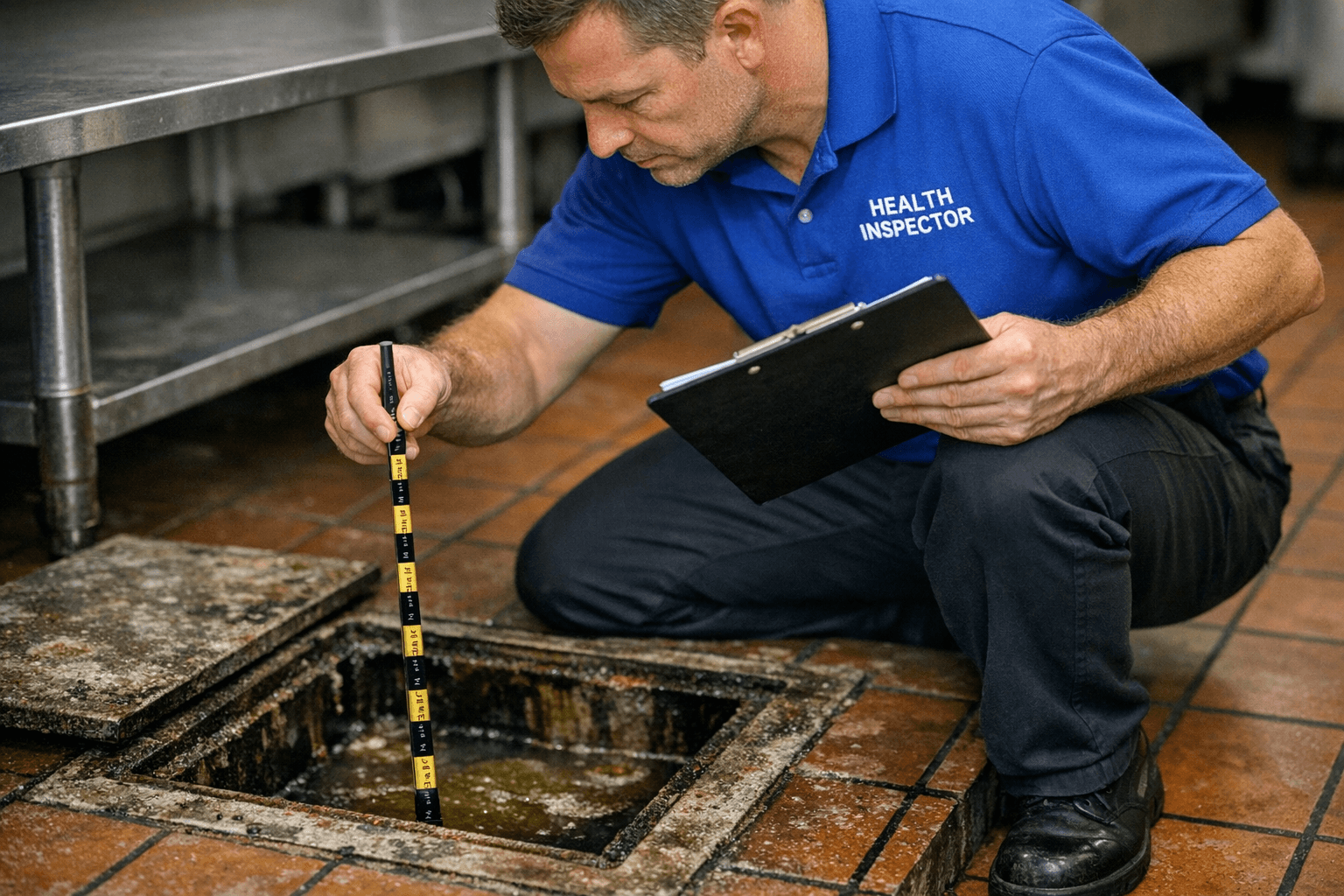
Grease interceptor condition. They measure the FOG level using a calibrated probe. If combined floating grease and settled solids exceed 25% of total liquid depth, you fail.
Documentation. They ask to see your grease trap cleaning records and UCO pickup manifests. Missing documentation is itself a citable offense in many jurisdictions.
Kitchen practices. They look for visible signs of improper grease handling — oil poured down drains, missing drain screens, grease accumulation around floor drains.
Equipment condition. Damaged interceptor lids, missing access covers, or visibly overflowing grease traps are all citable conditions.
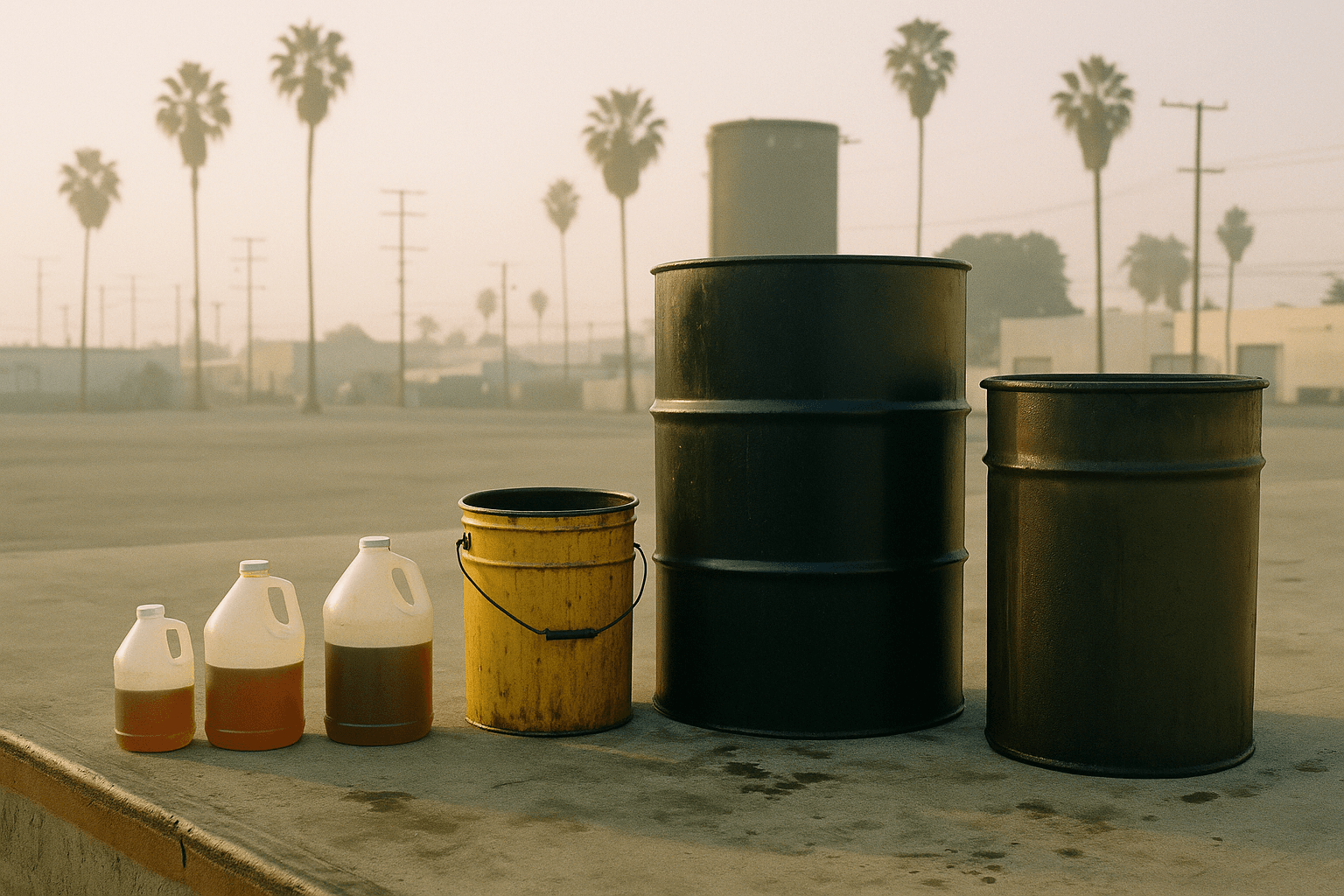
UCO storage. They may inspect your used cooking oil collection containers for proper labeling, condition, and evidence that collections are happening on schedule.
The 7 Documents That Protect You
Your best defense against a FOG violation is documentation. If you can produce these seven items when an inspector asks, you demonstrate a pattern of compliance that either prevents a citation or strengthens an appeal:
1. Grease interceptor installation permit and approval Proof that your interceptor was properly installed and approved by the local authority.
2. Current grease trap cleaning service agreement A written agreement with a licensed cleaning provider showing your scheduled cleaning frequency.
3. Current UCO pickup service agreement A written agreement with a CDFA-registered hauler for used cooking oil collection.
4. Grease trap cleaning manifests Records for every cleaning service visit showing date, volume of FOG removed, provider information, and interceptor condition assessment. Keep at least three years of records.
5. UCO pickup manifests Records for every used cooking oil collection showing date, quantity, hauler identification, and CDFA registration number. These prove your fryer oil is being properly disposed of through licensed channels.
6. Hauler CDFA IKG registration documentation A copy of your UCO hauler's current CDFA Inedible Kitchen Grease transporter registration. This proves you are using a legally authorized hauler.
7. Staff training log Documentation that kitchen employees have been trained on proper grease handling, including what goes into the UCO container versus what goes down the drain, drain screen usage, and pre-scraping procedures.
How to Appeal a Violation
If you receive a FOG citation and believe it was issued in error or that mitigating circumstances apply, most California jurisdictions offer an appeals process:
Step 1: Review the citation carefully. Note the specific violation code, the correction deadline, and the appeal filing deadline (typically 15 to 30 days from the date of citation).
Step 2: Gather your documentation. Collect all seven documents listed above. The stronger your documentation trail, the better your appeal outcome.
Step 3: File a written appeal. Submit your appeal to the issuing authority within the deadline. Include a cover letter explaining the circumstances and copies of all supporting documentation.
Step 4: Attend the hearing. Most appeals involve an informal hearing before an administrative officer. Present your compliance history, explain any temporary circumstances that led to the violation, and describe the corrective actions you have already taken.
Step 5: Comply immediately regardless of appeal outcome. Even while your appeal is pending, correct the violation. Pump your grease trap, update your cleaning schedule, and ensure all documentation is current. Showing good faith compliance during the appeal process significantly improves outcomes.
Prevention Is Cheaper Than Fines
The math on FOG compliance is simple:
- Regular grease trap cleaning costs $200 to $800 per visit depending on interceptor size
- UCO pickup from a reputable hauler costs nothing
- Maintaining documentation costs nothing beyond basic organization
- Staff training costs a few hours of time
Compare that to:
- A single FOG citation: $500 to $5,000
- SSO cost recovery: $5,000 to $25,000+
- Business disruption during enforcement actions: incalculable
A consistent cleaning schedule with a reliable service provider, combined with free UCO pickup from a CDFA-licensed hauler, keeps your restaurant compliant at a fraction of what even one violation would cost.
The Bottom Line
FOG violations in California are not theoretical risks. They are actively enforced, increasingly common, and financially painful. The enforcement trend is toward stricter monitoring, higher fines, and technologies that make it easier for authorities to trace sewer blockages back to specific properties.
The good news is that compliance is not complicated. Maintain your grease interceptor on a regular cleaning schedule, use a CDFA-licensed hauler for UCO pickup, keep your documentation organized, and train your staff. These four practices eliminate your FOG violation risk almost entirely.
Do not wait until an inspector is at your door to start thinking about grease compliance. By then, the cost of catching up is always higher than the cost of staying ahead.