CDFA manifest requirements are one of those regulatory topics that most California restaurant owners know exist but few fully understand. The rules are not complicated once you know what to look for, but the consequences of non-compliance are significant: fines, audit headaches, and potential liability if grease waste is improperly disposed of.
This guide explains the CDFA manifest system in plain English, what your restaurant's obligations are in 2026, and the most common mistakes that get operators into trouble.
What the CDFA Manifest System Is
The California Department of Food and Agriculture regulates the collection, transportation, and rendering of inedible kitchen grease (IKG) under Title 3 of the California Code of Regulations. Used cooking oil and grease trap waste from restaurants fall under this category.
The manifest system is the documentation backbone of this regulatory framework. Every time a licensed transporter collects IKG from your restaurant, they must generate a manifest, a legal document that creates a chain of custody from your kitchen to the final processing facility.
Think of it like a receipt, but with legal weight. It proves that your waste was collected by a licensed hauler, transported legally, and delivered to an approved destination.
What the Manifest Must Include
Every CDFA-compliant manifest must contain the following information:
- Transporter identification: The hauler's name, business address, and CDFA registration number
- Origin establishment: Your restaurant's name and street address
- Collection details: The date, time, and estimated quantity (gallons or pounds) of material collected
- Destination facility: The name and address of the rendering plant, recycling facility, or biodiesel producer receiving the material
- Signatures: Both the driver and an authorized representative from your restaurant (you or your manager) must sign
Some haulers use paper manifests with carbon copies. Others use electronic systems that generate digital records and send copies via email. Both formats are acceptable under current regulations, and electronic manifests are explicitly permitted under 3 CCR Section 1180.24.
Your Restaurant's Obligations
As the originating establishment, your restaurant has three specific obligations under the manifest system:
1. Verify Your Hauler Is Licensed
Before allowing anyone to collect grease from your property, confirm they hold a current CDFA Inedible Kitchen Grease Transporter registration. You can verify this by requesting their registration number and checking it on the CDFA website. An unregistered hauler collecting your grease puts your restaurant in a non-compliant position even if you did not know they were unlicensed.
2. Sign Every Manifest
When the driver arrives for a pickup, they should present a manifest for your signature. Review it to make sure the basic information is correct: your restaurant name and address, the date, and the approximate quantity. Sign it, and keep your copy.
If your hauler uses an electronic system, make sure you receive a digital copy of each manifest via email or through their online portal. Do not assume the hauler is keeping records on your behalf.
3. Retain Manifests for Seven Years
This is the requirement that catches most restaurant operators off guard. California mandates a seven-year retention period for IKG manifests. That means your records from 2019 should still be accessible today.
Seven years is significantly longer than many other restaurant record-keeping requirements, and it means you need a reliable filing system. We recommend:
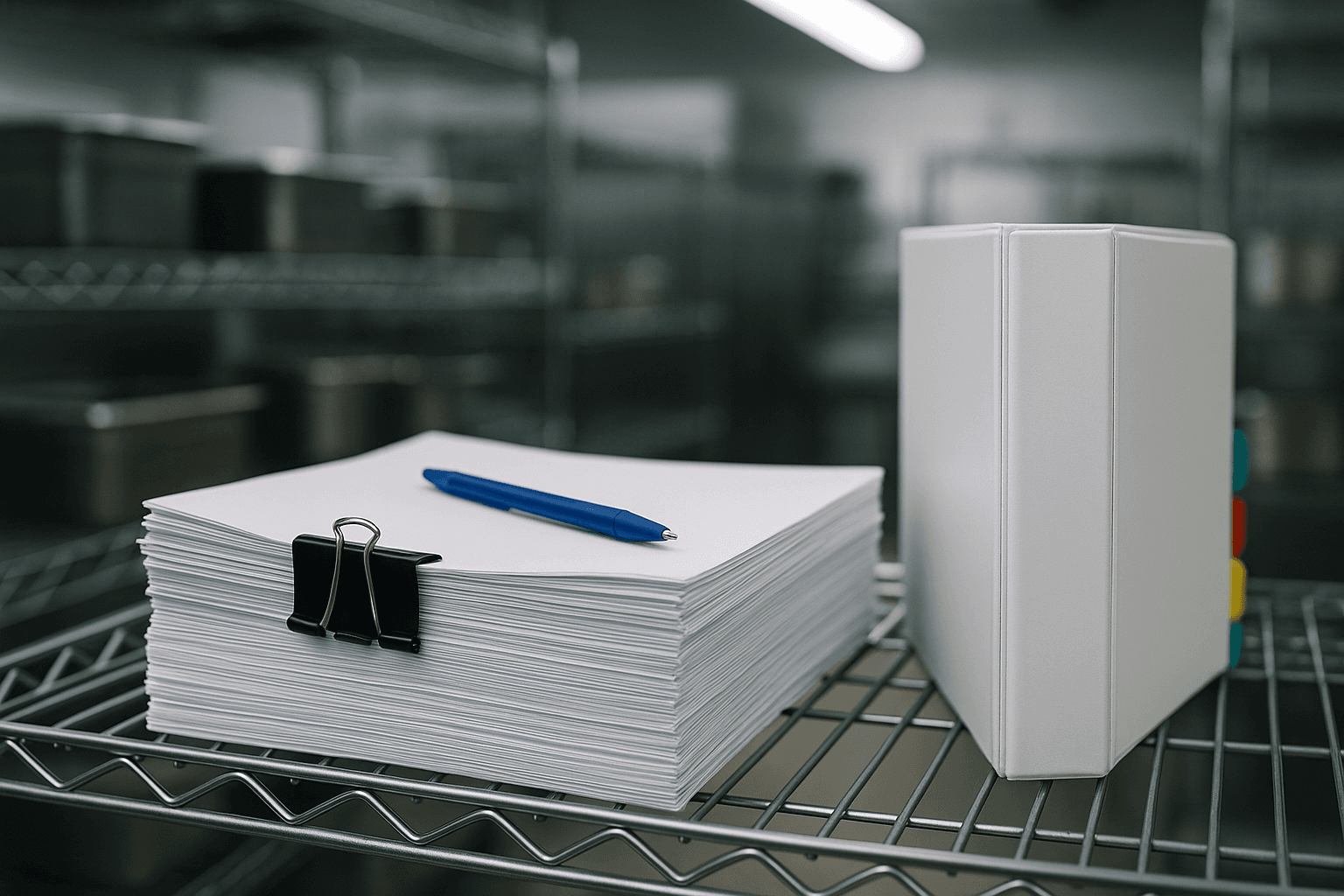
- Physical copies: File manifests chronologically in a dedicated binder. Label each year clearly.
- Digital backup: Scan or photograph physical manifests and store them in a cloud folder (Google Drive, Dropbox, or similar). If your hauler provides electronic manifests, save these to the same location.
- Annual audit: Once per year, review your manifest files to make sure there are no gaps. Every pickup should have a corresponding manifest.
Common Mistakes and How to Avoid Them
Not Keeping Your Own Copies
Many restaurant operators assume their hauler keeps all the records. While haulers are required to maintain their own copies, your restaurant is independently responsible for its records. If a CDFA audit targets your establishment, you need to produce your own manifests.
Signing Blank or Incomplete Manifests
Some drivers present partially filled manifests and complete them later. Do not sign a manifest that is missing information. If the quantity, date, or destination is blank, ask the driver to complete it before you sign.
Using Unlicensed Haulers
This is the highest-risk mistake. If an unlicensed hauler collects your grease and improperly dumps it, your restaurant can face liability because there is no legal manifest trail. Always verify CDFA registration before establishing a service relationship, and re-verify annually.
Not Getting Records When Switching Providers
When you switch UCO haulers, request all manifests generated during their service period before ending the relationship. Once you have disconnected from the provider, obtaining historical records becomes significantly harder.
Electronic vs. Paper Manifests
California law permits both paper and electronic manifests, and there is no regulatory advantage to either format. However, electronic manifests offer practical advantages:
- Automatic backup: Digital records are less likely to be lost than paper in a binder.
- Easy retrieval: Searching for a specific manifest by date is instant with digital records.
- No legibility issues: Paper manifests can become illegible over time due to fading or water damage.
- Remote access: You can pull up records during an audit without being physically at the restaurant.
If your current hauler only provides paper manifests, consider scanning them into a digital folder as a backup. If you are choosing between providers, electronic manifest capability is a meaningful differentiator.
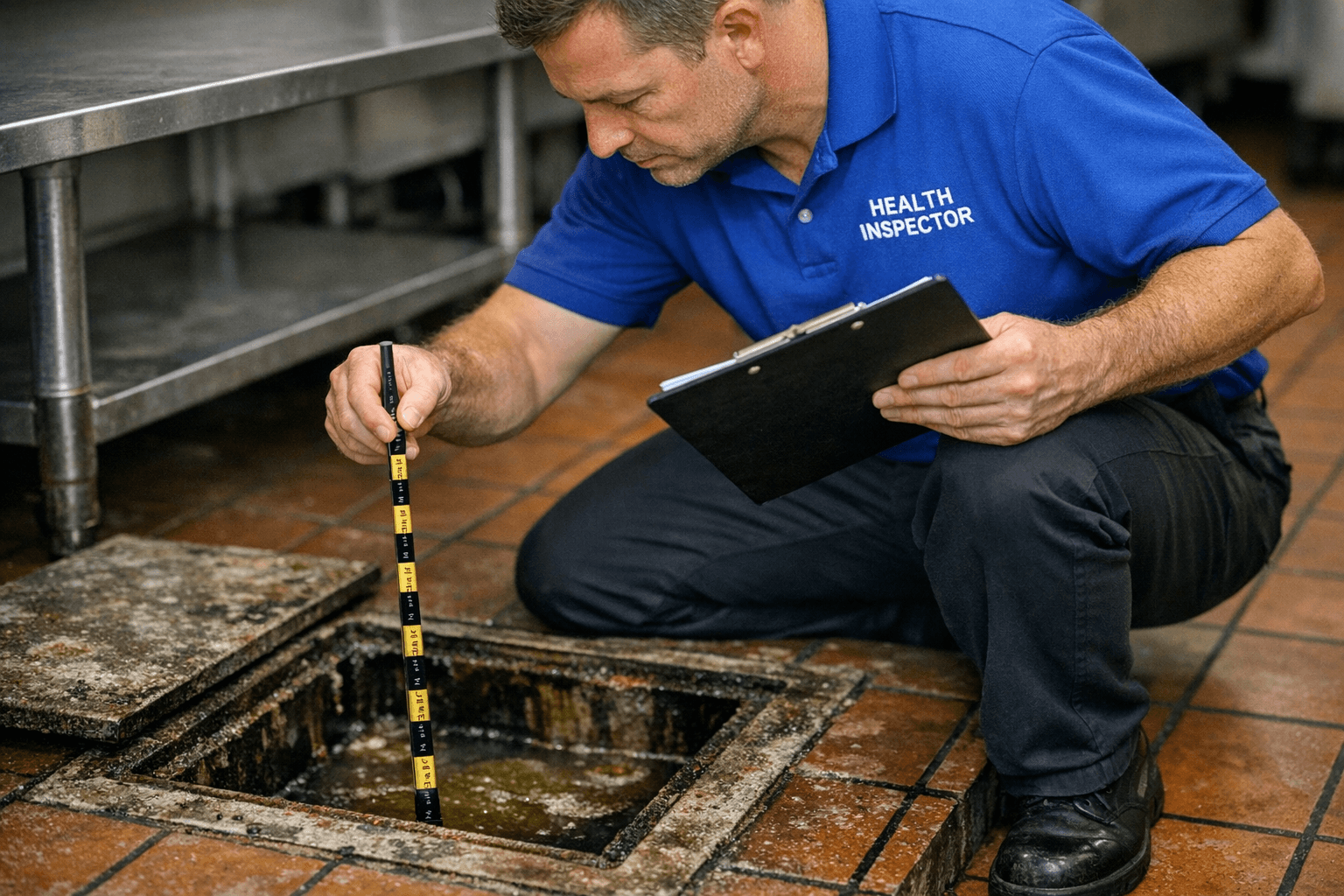
What Happens During a CDFA Audit
CDFA audits of restaurants are not common, but they do happen, particularly when the agency is investigating a specific hauler. If your hauler is under investigation, the CDFA may request your manifest records to verify the hauler's documented pickups match what actually occurred.
During an audit, an investigator will request to see your manifest files for a specific time period. They are looking for:
- Manifests for every pickup date they have in their records
- Matching quantities between your copies and the hauler's copies
- Proper signatures on each manifest
- Your hauler's valid CDFA registration number
If your records are organized and complete, an audit is straightforward. If records are missing or disorganized, it becomes a much more difficult and time-consuming process.
The Bottom Line
CDFA manifest compliance is not difficult. It comes down to three things: using a licensed hauler, signing complete manifests at every pickup, and keeping your copies organized for seven years. The restaurants that struggle with compliance are usually the ones that never set up a simple filing system. Spend 30 minutes creating a binder and a digital folder, and this entire regulatory requirement becomes effortless to manage going forward.