Your grease hauler shows up when they feel like it. Your manifests are incomplete or missing entirely. And that monthly invoice keeps climbing for a service that should cost you nothing.
If any of this sounds familiar, your grease hauler may be taking advantage of you. Used cooking oil pickup is a competitive business in California, and not every provider operates with the same standards. Some haulers coast on inertia, counting on the fact that most restaurant owners are too busy running their kitchens to scrutinize the service.
Here are seven warning signs that it is time to find a better provider.
1. They Keep Missing Scheduled Pickups
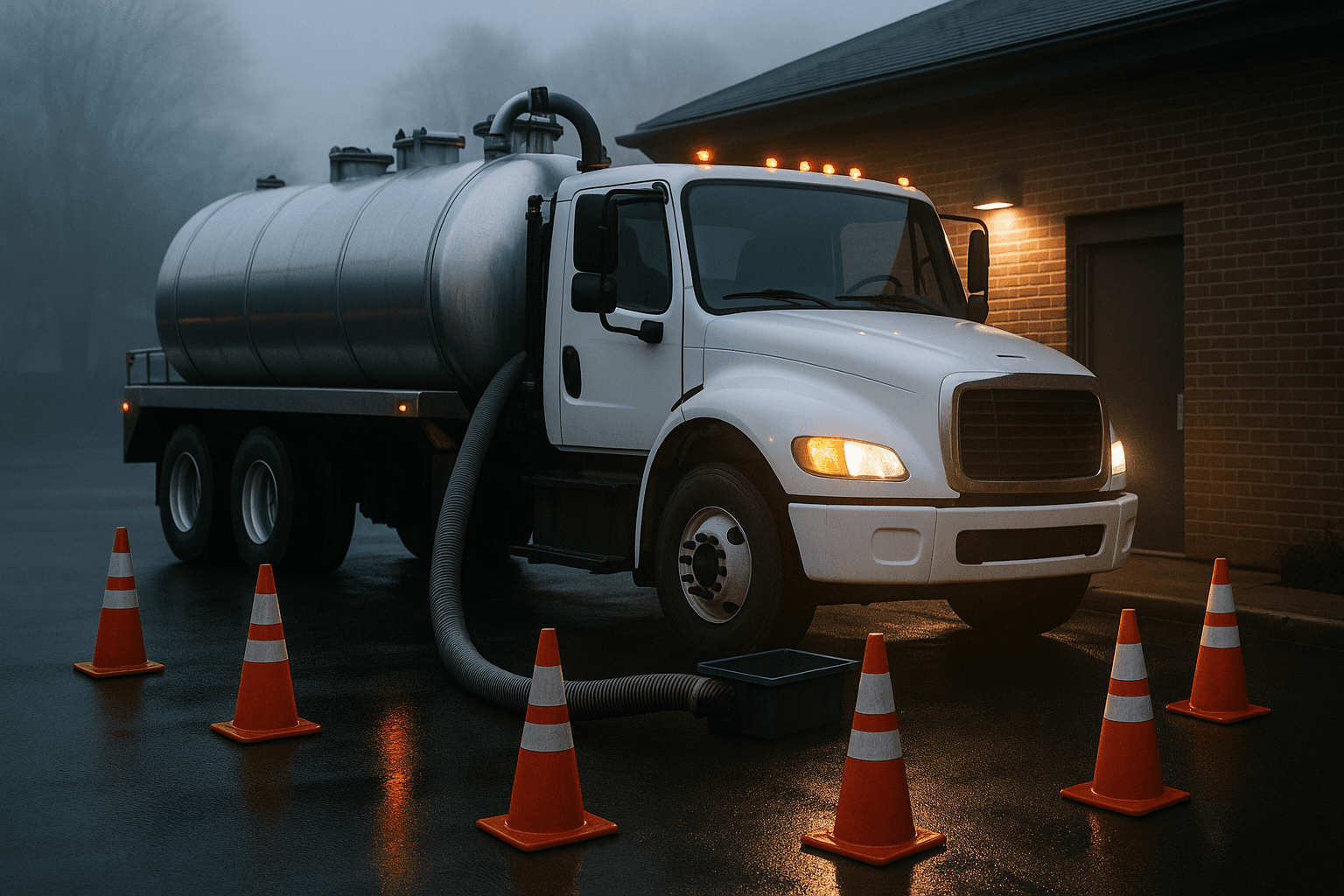
This is the most common complaint restaurant owners have about their grease hauler. The pickup was supposed to happen Tuesday morning. It is now Thursday and the container is full.
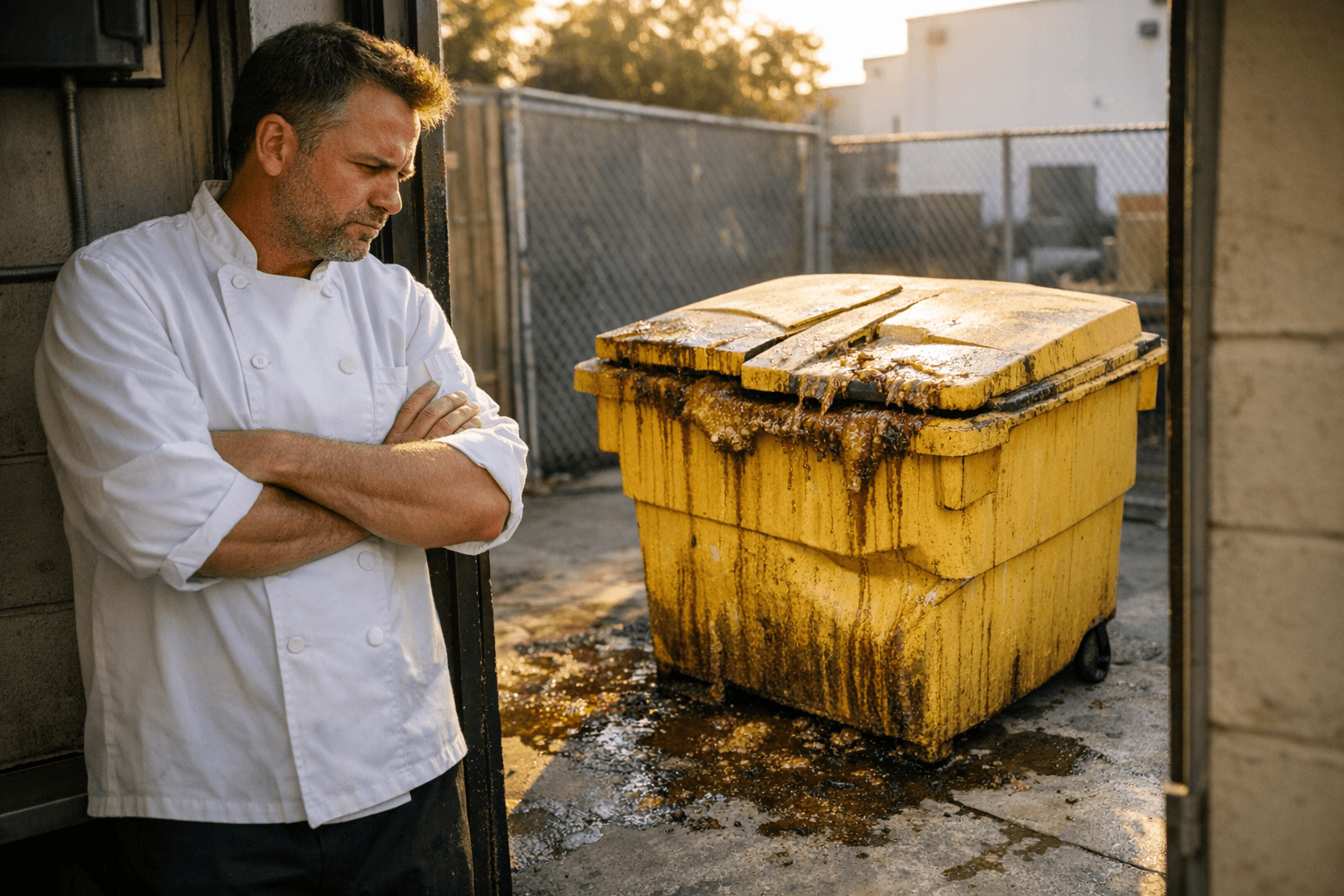
Missed pickups are not just an inconvenience. When your UCO container overflows, you face potential health code violations, slip hazards for your staff, and pest problems. A single overflow incident during a health inspection can trigger citations.
What a good hauler looks like: GPS-tracked routes with pickup confirmations sent to your phone or email. If they are running late, you hear about it before you have to call.
2. You Are Not Getting Manifests
California law requires that every used cooking oil pickup be documented with a CDFA manifest. This manifest records the date, quantity, hauler information, and CDFA registration number. It is your proof of proper disposal.
Many restaurant owners do not realize they need these documents until an inspector asks for them. If your hauler is not leaving a manifest after every single pickup, you have a compliance gap that could cost you hundreds to thousands of dollars in fines.
The risk is yours, not theirs. If an inspector finds missing manifests, the citation goes to the restaurant, not the hauler. You are the generator of the waste and responsible for documenting its proper disposal.
3. They Cannot Show You a Valid CDFA License
Every used cooking oil transporter in California must be registered with the California Department of Food and Agriculture (CDFA) as an Inedible Kitchen Grease hauler. This is not optional. It is state law.
Ask your current hauler for their CDFA IKG registration number. If they hesitate, deflect, or cannot produce one, stop using them immediately. An unlicensed hauler puts your restaurant at serious legal risk.
Some signs your hauler may not be properly licensed:
- They avoid questions about their registration status
- They use unmarked vehicles without CDFA identification
- They cannot provide insurance documentation
- They collect oil in non-standard containers
4. You Are Paying for UCO Pickup
Here is a fact that surprises many restaurant owners: used cooking oil has commercial value. It is a feedstock for biodiesel production, animal feed supplements, and other industrial applications. Because of this value, licensed haulers in Southern California typically collect UCO at no charge.
If your hauler is billing you monthly for used cooking oil collection, you are paying for something that should be free. This is different from grease trap cleaning, which is a maintenance service that carries a legitimate cost. But the oil itself? A reputable hauler picks it up for free because they profit from recycling it.
How the economics work: Your used cooking oil becomes yellow grease, which trades as a commodity. The hauler covers their collection costs through the sale of this grease. You should not be subsidizing their business with monthly service fees on top of that.
5. They Locked You Into a Long-Term Contract
The used cooking oil industry in California has largely moved away from long-term contracts. Most reputable haulers now operate on month-to-month terms because they know their service quality speaks for itself.
If your hauler required you to sign a multi-year contract with early termination penalties, ask yourself why. A provider confident in their reliability does not need a contract to keep you as a customer.
Warning signs in your service agreement:
- Auto-renewal clauses that extend the contract unless you cancel during a narrow window
- Early termination fees that make switching prohibitively expensive
- Price escalation clauses that allow rate increases without your approval
- Exclusive service provisions that prevent you from using any other hauler
6. Communication Is One-Way
You call them. They do not call back. You email about a schedule change. No response for days. When something goes wrong, you are the one chasing answers.
Poor communication from your grease hauler is not just frustrating. It is a signal that they do not value your business or have the operational capacity to manage their customer base.
What responsive service looks like:
- Calls and emails returned within a few hours, not days
- Proactive notification when schedules change
- A dedicated point of contact who knows your account
- Digital dashboard or confirmation system so you always know your pickup status
If you are spending more time managing your hauler than they spend managing your service, the relationship is broken.
7. Your Containers Are in Poor Condition
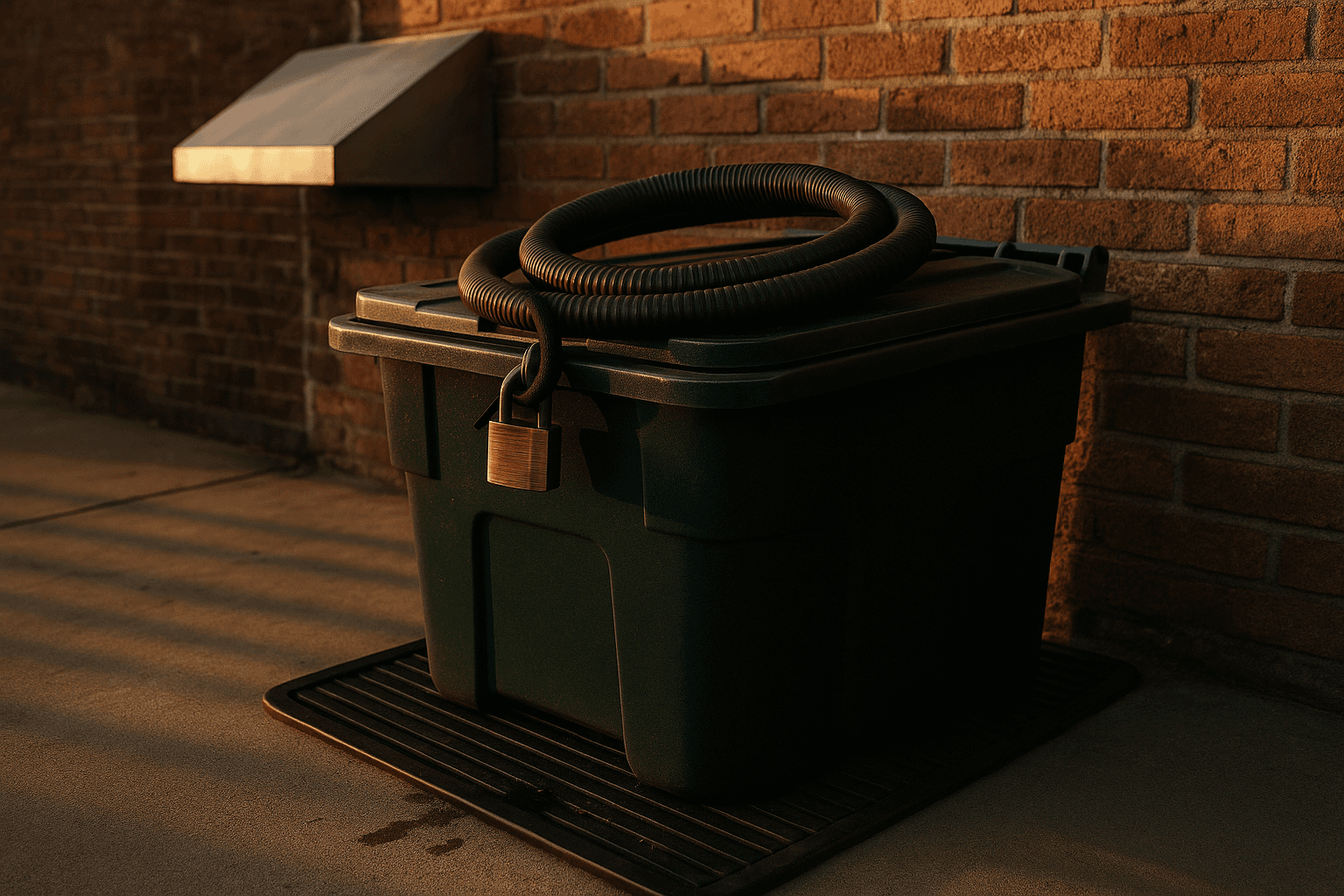
The collection containers at your restaurant are either owned by you or provided by your hauler. If your hauler supplies the containers, they are responsible for maintaining them. Cracked lids, rusted frames, leaking seals, and missing locks are all signs of neglect.
Poorly maintained containers create real problems:
- Grease theft: Unlocked containers attract UCO thieves who siphon your oil and sell it themselves. This is a growing problem in Southern California.
- Spills and contamination: Damaged containers leak, creating slip hazards and attracting pests.
- Health code violations: Inspectors check container condition. A visibly damaged or improperly sealed container can trigger a citation.
A good hauler maintains their equipment because it protects their business and yours.
What To Do If You Spot These Warning Signs
If you recognized your hauler in three or more of these warning signs, it is time to make a change. Here is how to approach it:
Document everything. Before you switch, gather evidence of missed pickups, missing manifests, and any other service failures. Take photos of container condition. Save emails and text messages.
Check your contract. Review your service agreement for cancellation terms. Most UCO agreements are month-to-month. If you are in a longer-term contract, document the service failures as potential grounds for termination for cause.
Line up your new provider first. Never cancel your existing service until you have confirmed start dates with a replacement. The goal is zero days without coverage.
Verify the new hauler's credentials. Before signing with anyone new, confirm their CDFA IKG registration, insurance coverage, and manifest process. Ask for references from other restaurants in your area.
Expect a smooth transition. Switching haulers typically takes one to two weeks of planning and happens in a single day. Your old provider makes their final pickup, and your new provider starts on the next scheduled date.
The Bottom Line
Your grease hauler should make your life easier, not harder. Free UCO pickup with reliable scheduling, proper manifests, and no contracts is the standard that reputable haulers in Southern California operate by. If your current provider is falling short on any of these basics, you deserve better service.
The best haulers earn your business every month through consistent, compliant, hassle-free service. You should never have to wonder whether your oil will get picked up, whether your paperwork is in order, or whether you are overpaying for something that should cost you nothing.