If you run a commercial kitchen in Southern California — whether it's a fast casual spot in Orange County, a taqueria in East LA, or a seafood house in San Diego — you're generating used cooking oil every week. How you handle that oil matters more than most operators realize.
Used cooking oil pickup is one of those back-of-house logistics categories that, when handled well, you never have to think about. When handled poorly, it creates compliance headaches, pest problems, and operational friction. This guide walks through everything you need to know to set up reliable, hassle-free UCO pickup for your restaurant.
What Is Used Cooking Oil Pickup?
Used cooking oil pickup is a commercial waste management service where a licensed provider collects your spent fryer oil on a regular schedule. The provider supplies a collection container, handles the transport, and typically pays you — or at minimum, provides the service for free — because your used oil has real commodity value.
After collection, the oil is processed and refined into biodiesel, renewable diesel (R99), or used as a feedstock in other industrial applications. Restaurants are one of the primary suppliers of used cooking oil in the supply chain, which is why reputable providers go to significant lengths to sign and retain food service accounts.
Kitchen Oil Recycling's free used cooking oil pickup service covers all of Orange County, Los Angeles, and San Diego — with flexible scheduling and no minimum volume requirements for most accounts.
How the Pickup Process Works
Step 1: Sign Up and Initial Assessment
When you contact a pickup provider, they'll want to know your fryer volume, the type of oil you use (soy, canola, a blend), and your approximate weekly usage. This helps them determine the right container size and pickup frequency for your account.
A reputable provider will visit your location before your first scheduled pickup to drop off equipment and confirm placement. Don't skip this step — container placement matters for your staff's workflow and for the driver's access.
Step 2: Container Placement
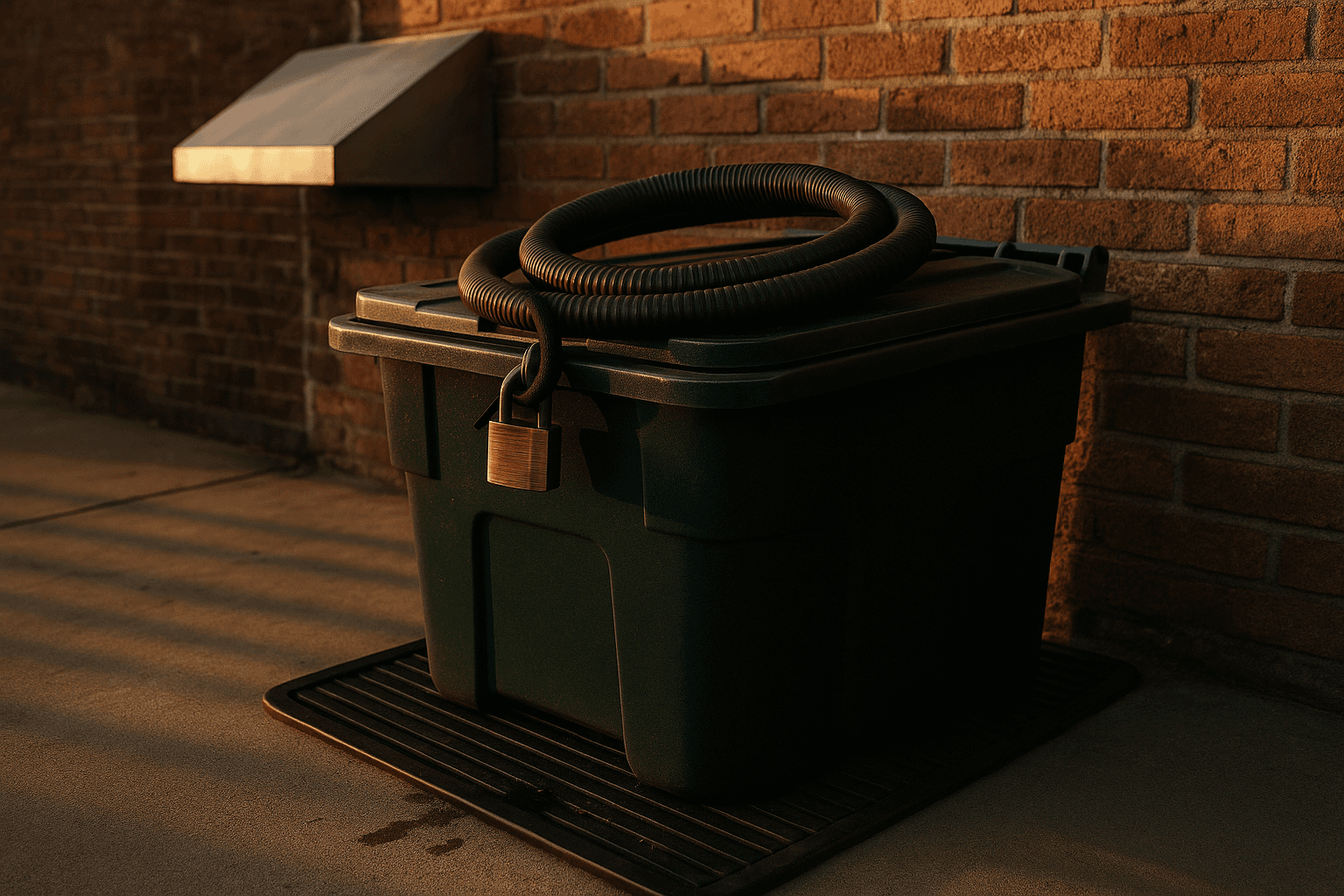
Your collection container will be placed in a designated spot — often near your kitchen exit, behind a fence, or in a screened enclosure if your city or landlord requires it. Containers should be:
- On a hard, level surface
- Accessible to a service vehicle (typically a pump truck or van with a drum transport)
- Away from food storage areas
- Locked between pickups to prevent theft and contamination
Step 3: Staff Training on Proper Disposal
This is where many restaurants lose money and create problems. Your kitchen staff needs to know:
- Wait for oil to cool before transferring it. Hot oil is a burn hazard and can warp containers.
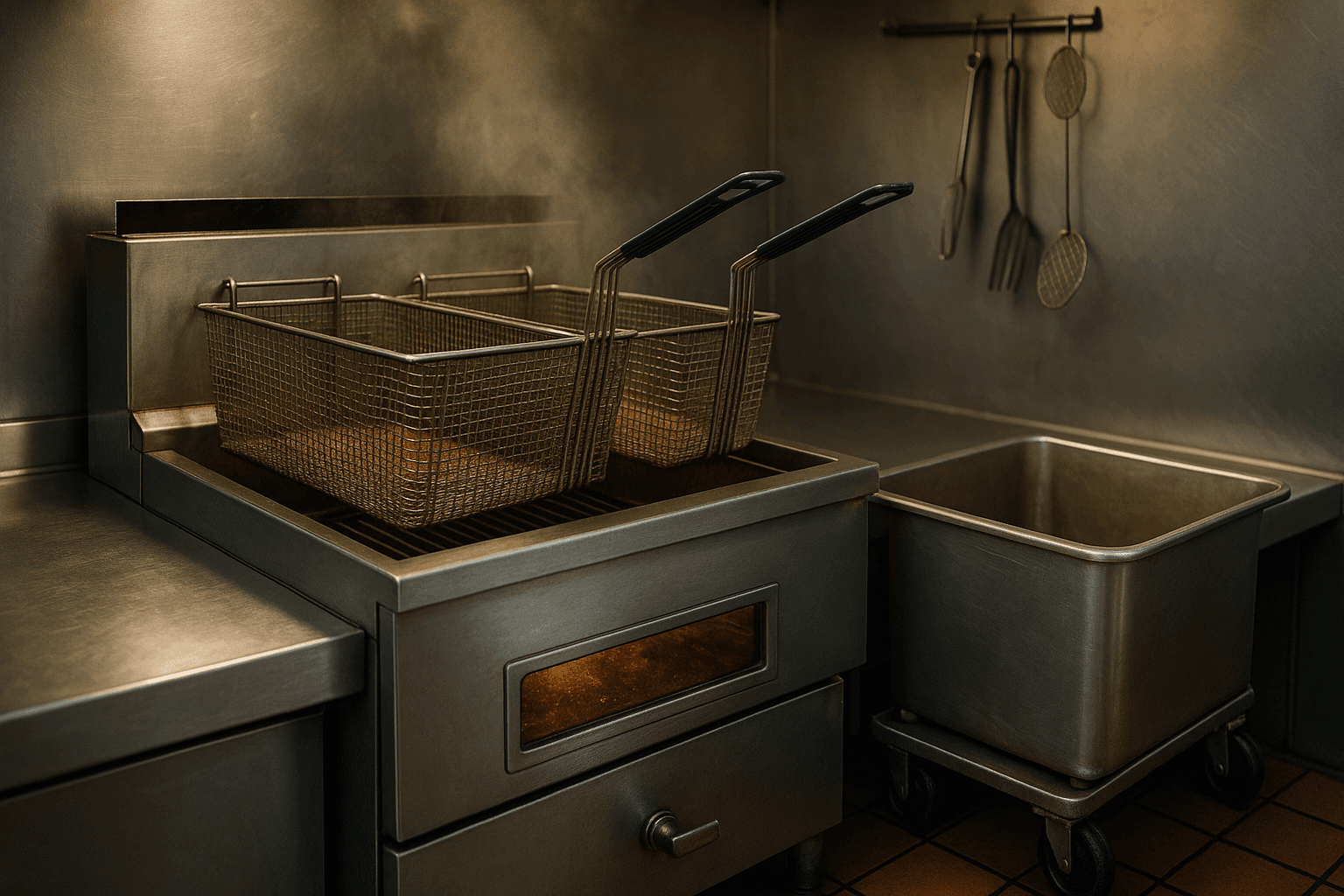
- Use a proper oil caddy or pump to transfer from fryer to container. Never pour hot oil directly into the outdoor bin.
- Keep water out. Water contamination lowers the value of your oil and can cause problems with the processing facility. If you're getting a lot of water in your fryer oil, check your potato washing procedure or ice content on frozen products.
- Don't mix other waste. No food scraps, paper, or other debris should go into the UCO container.
Step 4: Scheduled Pickup
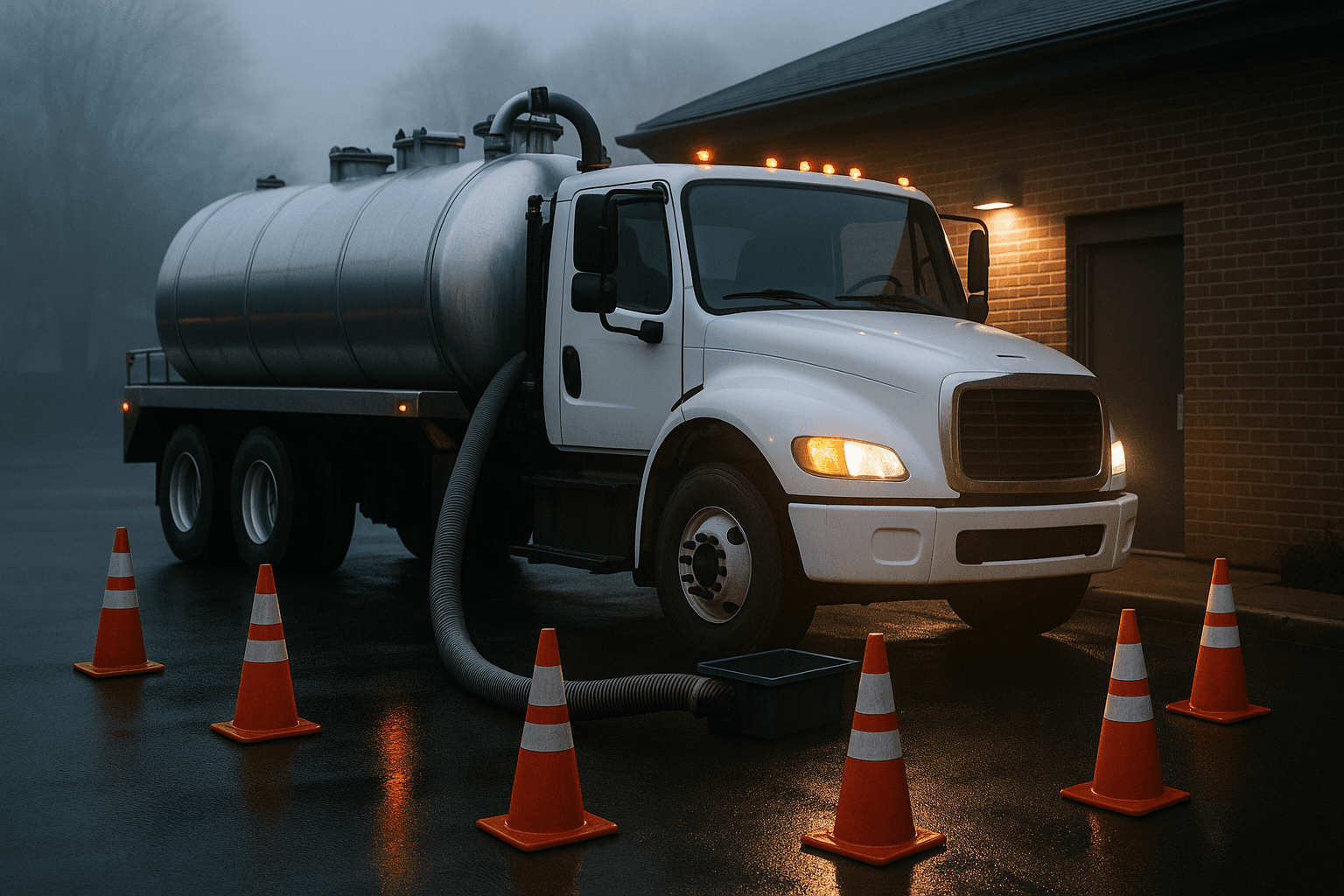
On your scheduled service day, a driver arrives, pumps your container, logs the volume collected, and issues a manifest or collection receipt. In California, licensed haulers are required to provide documentation of each collection. Hold onto these records — they may be required during a health inspection or CDFA compliance review.
Step 5: Ongoing Service
After your first few pickups, your provider should have a good sense of your volume. If you're consistently at capacity before the pickup date, ask to increase frequency. If the container is barely touched, you may be able to reduce pickups. A good provider will proactively adjust your schedule based on data from your account.
What to Expect on Pickup Day
Your driver should arrive within a reasonable window of your scheduled time. The pump-out itself typically takes 10–20 minutes for most restaurant-sized containers. You don't need to be present, but your staff should know the driver has access.
After each collection, you should receive:
- A weight or volume slip for the collected oil
- A signed manifest (required under California law for licensed UCO haulers)
- Confirmation that the pickup was completed successfully
Choosing a Used Cooking Oil Pickup Provider in Southern California
Not all providers are created equal. Here's what separates reliable service from headaches:
Licensing and compliance. In California, used cooking oil is regulated by the California Department of Food and Agriculture (CDFA). Your hauler must be registered and hold a valid UCO hauler license. Ask for their license number and verify it. Unlicensed haulers create liability for your restaurant.
Manifests and documentation. Every pickup should be documented. If a provider can't produce manifests, walk away. Proper documentation protects you during inspections.
Transparent contracts. Read the fine print. Some providers lock restaurants into long-term contracts with steep exit penalties. Look for month-to-month or short-term agreements with clear terms.
Responsiveness. Test them before you sign. Call their office or send a message and see how quickly they respond. A provider who is slow to respond during the sales process will be slower when you have an actual problem.
Container quality. Inspect the container they provide. It should be sealed, lockable, and in good condition. A rusted, leaking, or unlocked container is a sign of a provider that cuts corners.
Local presence. Providers based in Southern California will respond faster to schedule changes, full containers, or emergency pickups. A national company running a regional franchise may not prioritize your account the same way a local operator does.
How Much Is Your Used Cooking Oil Worth?
The value of used cooking oil fluctuates with commodity markets — specifically biodiesel feedstock prices, which track soybean oil and diesel fuel prices. In general, high-quality yellow grease (clean fryer oil with low free fatty acid content) commands the best prices.
What this means for you: if your oil is well-maintained, stored properly, and not contaminated, you will qualify for free pickup service. If your oil quality is poor — water-contaminated, mixed with other waste, or very high in free fatty acids — you may face a service charge because contaminated oil costs more to process than it is worth.
Good oil hygiene helps ensure your pickup stays free.
Common Mistakes Restaurants Make
Not reading the contract. Auto-renewal clauses and price escalation terms catch operators off guard. Read everything.
Using unlicensed haulers. The low price isn't worth the compliance exposure.
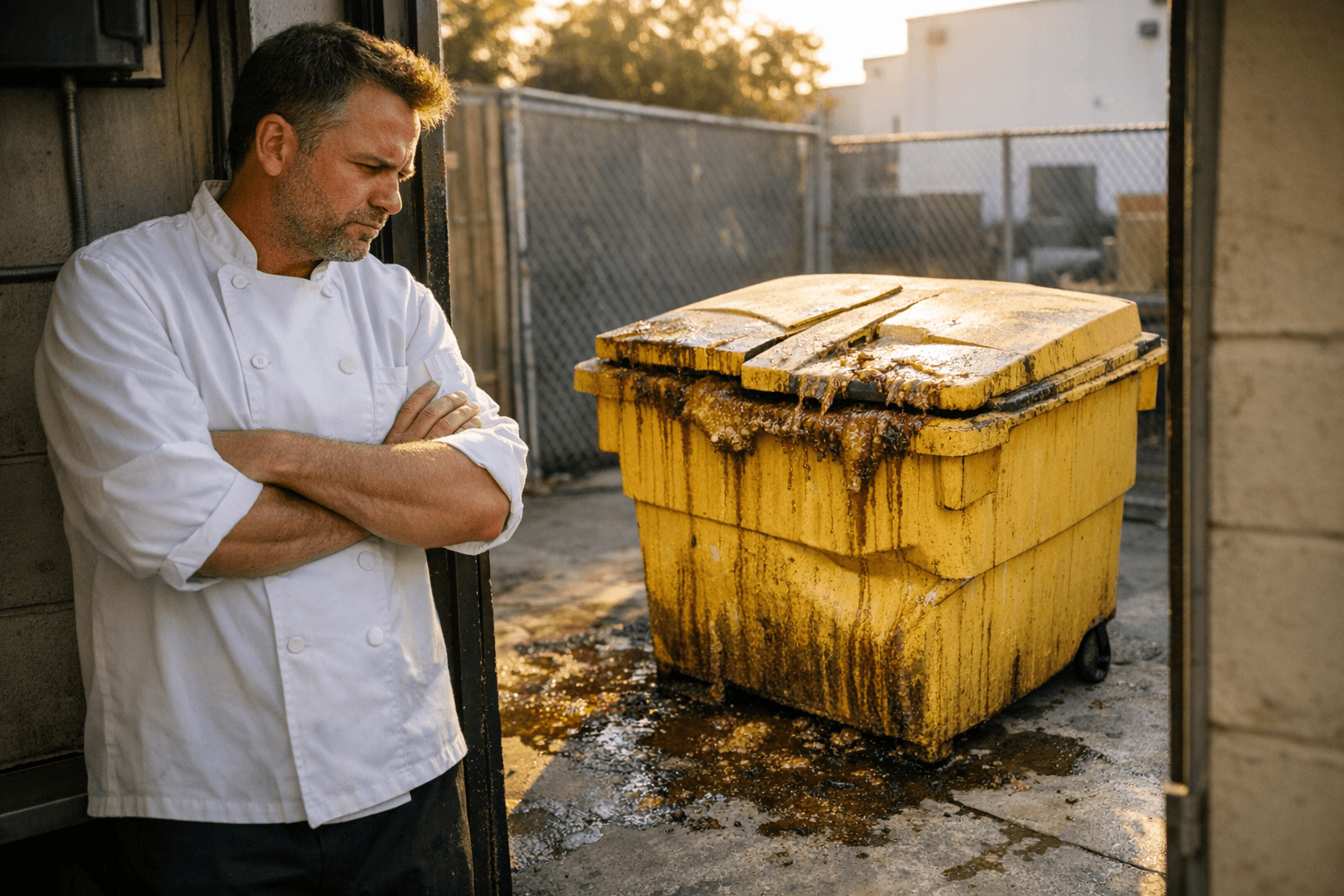
Ignoring the container. A full or overflowing container is a pest magnet. Monitor fill levels and contact your provider if you need an emergency pickup.
Mixing waste streams. Dumping fryer scraps or other waste into the UCO bin contaminates the oil and creates problems for everyone downstream.
Not keeping manifests. Keep your collection records for at least three years. California health inspectors and CDFA auditors may ask for them.
Getting Started with Kitchen Oil Recycling
Kitchen Oil Recycling provides free used cooking oil pickup for restaurants across Orange County, Los Angeles, and San Diego. We supply your container, handle all scheduling and documentation, and provide proper CDFA-compliant manifests for every collection.
For food processors and high-volume operations producing 500+ gallons per week, check out our bulk cooking oil disposal and recycling program.
Getting started takes about 10 minutes. Fill out our online form or give us a call, and we'll schedule your first visit within the week.
Used cooking oil pickup doesn't have to be complicated. With the right provider, the right container placement, and a brief staff training session, it becomes one of those operational items that simply runs in the background — quietly, compliantly, and at zero cost to you.